Plas BrondanwSusan Williams-Ellis
Foundation (SWEF)
Foundation (SWEF)
post@susanwilliamsellis.org
01766 770590
post@susanwilliamsellis.org
01766 770590
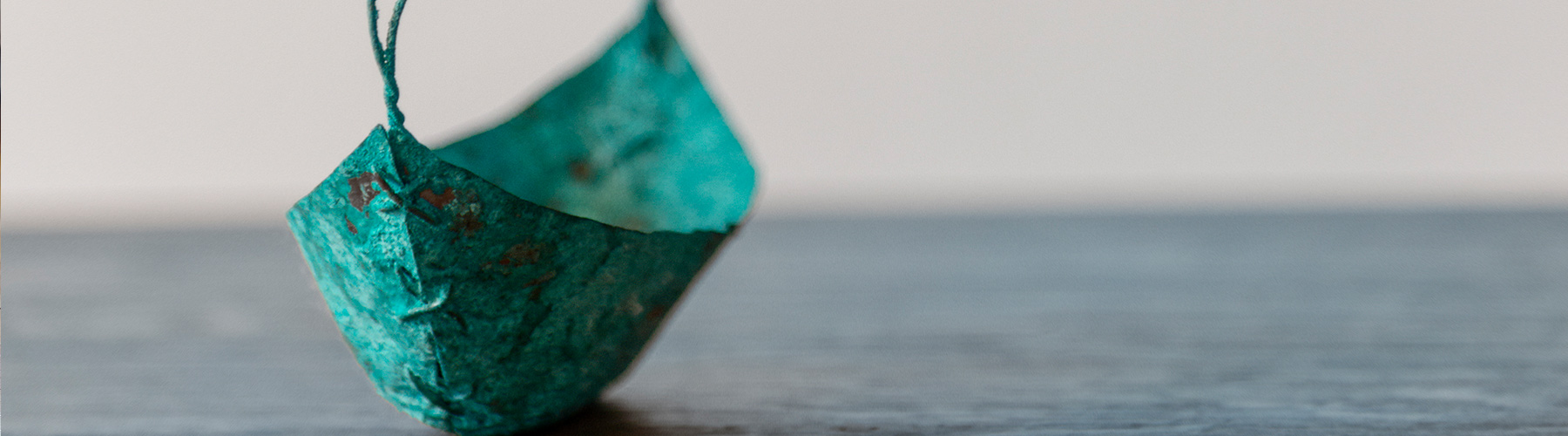
We run a changing program of exhibitions throughout the year. We try to showcase a wide variety of work from conceptual to craft and design work, and we work with artists from all over the world. We exhibit works on all kinds of themes, but we are particularly interested in work that responds specifically to the location and its history and to the ideas of Clough and Amabel Williams-Ellis and their children about art, design, architecture, society, politics, planning, science, literature or any other matter they explored in their long and varied careers.
The 'Agored' and 'Agored Ifanc' exhibitions welcome applications from anyone, whether an experienced artist or a first-timer. We will set a theme for these shows which will vary from one year to the next, but based on pieces from the archive, which will be displayed opposite the contemporary works. Within the Open programme, we offer an emerging artist award and a people's award.
For more information about the awards, and how to submit work for the open exhibitions, follow the link to the 'applications' page, below.
We have decided to set a theme each year, going forwards. Items from the Susan Williams-Ellis archive will be curated according to the theme for the year, and this will also be the theme for the open and young open exhibitions. We invite artists who wish to have solo or group shows to consider responding to the theme, if they feel inspired to do so, although this is not a requirement. Events will also be curated to respond to the theme, where appropriate. The themes are deliberately broad and may be interpreted in any way that the artist feels is appropriate. The themes for the next five years are outlined below:
2025: Space
2026: Animal / Vegetable / Mineral
2027: Disturbance
2028: The Sea
John Thomson
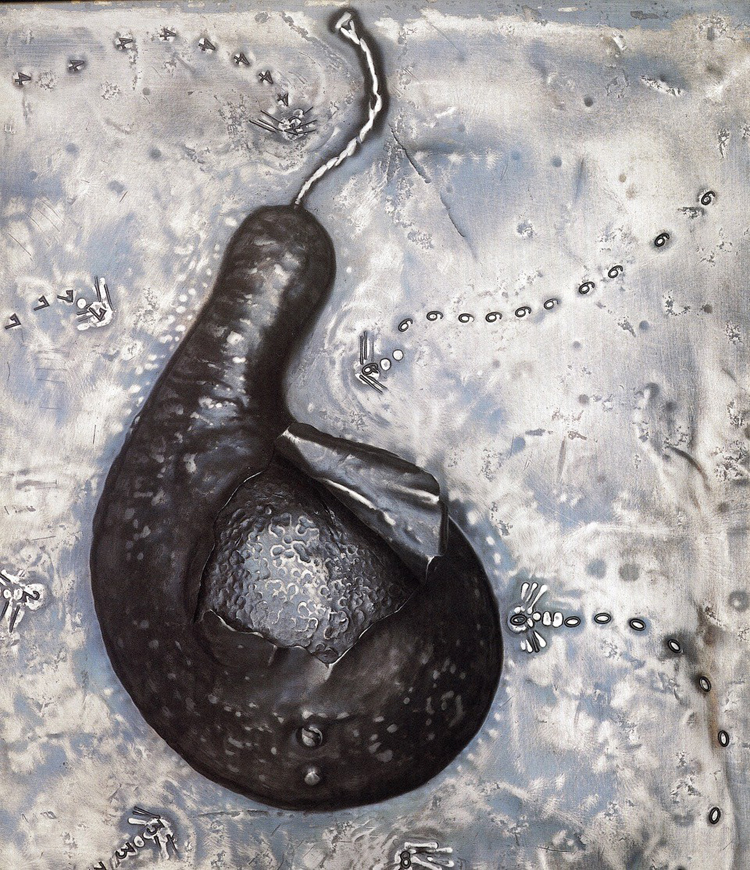
Animal + Vegetable = Mineral
17 October – 29 November 2026
An exhibition selected from over forty years of studio practice, which includes imagery from collaborations with designers, musicians and filmmakers. The drawing and sculpture are a product of a range of diverse influences, including flora & fauna, fashion & textiles, the night sky and noir crime fiction.
Steel, scored, etched, hammered, welded and ocasionally combined with wood, ceramic and stone sections, is my basic material. I use a range of tools and processes from lasers to hammers or dental tools and fine emery cloth. My methods are akin to those of a vehicle panel beater who shapes and curves individual metal sections to form a complete coherent structure.
To echo both Manet & Hockney. ‘I am a man who just likes to draw.’ Drawing can function as an instinctive response mechanism, a diary or simply a way to create imaginary worlds.
I work from a studio on a working farm in Hampshire, England - no rural idyll, more a green machine connected directly to the supply and demand food chain. A low manned, highly mechanised industry set in the rolling downland of Britain’s newest National Park populated by beef cattle, grain silos and shuttling commuters all set against a seemingly bucolic tapestry of flora and fauna.
Images of the cycles of plant growth and decay, gleaned from ‘working’ the same patch of garden for over 50 years, led to an invitation to undertake a Residency at Oxford University Botanic Garden in 2004, working within the historic plant collection alongside gardeners and scientists.
Open Exhibition 2027
‘Disturbance’
06 March 2027 – 02 May 2027
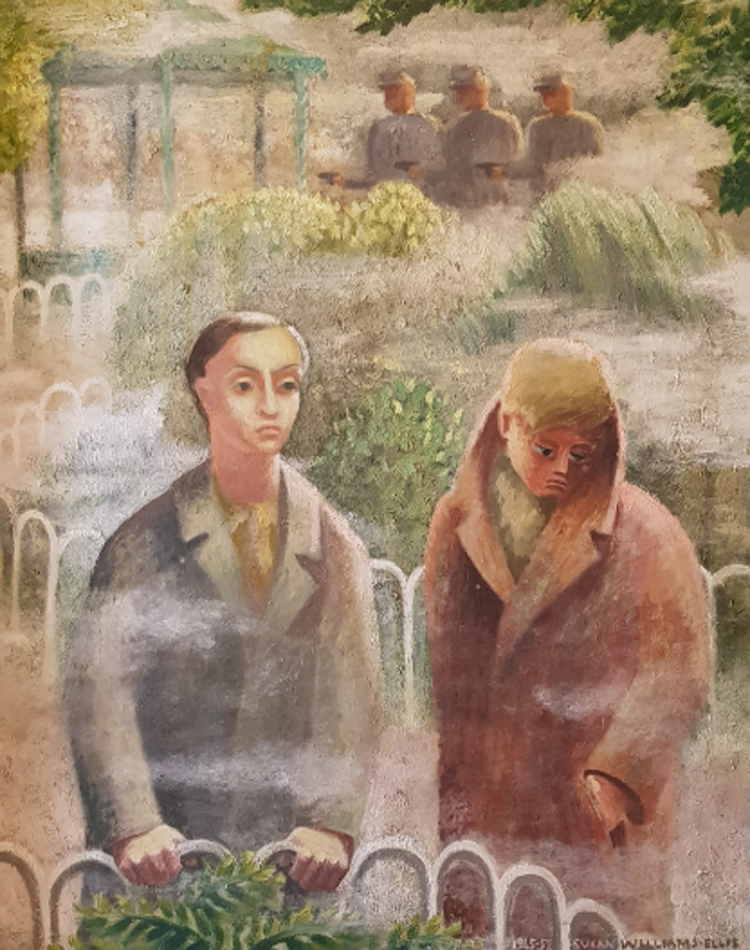
The title of this year's open exhibition is Disturbance, and we have invited our artists to interpret this in whatever way they see fit. We expect a huge diversity of responses in all kinds of media, from artists familiar and new to Plas Brondanw, and we wait with excitement to see what they produce.
As always, our starting point was the Susan Williams-Ellis archive, and in particular a series of works created by Susan in the period immediately after the second world war. These show an attempt by the artist to express some of the horrors of the recent war. They present a side of Susan Williams-Ellis that has never been seen publicly before, and indeed, some of the images are so disturbing that we will be showing them in a closed room with parental guidance advice. One gets the feeling that these explorations were so painful that she didn't pursue this line of work for very long, and in fact tended to the opposite direction for the rest of her career. However, they form a powerful and intense body of anti-war work that deserves to be seen and appreciated more widely.